Ethics

ethics

Conforming to Recognized Standards of Production.

Ethics at Silk Routes

At Silk Routes we are committed to ethical trade. As a company we are known throughout the industry to adhere strictly to ethical standards, principled practices, industry rules and government regulations.

Silk Routes believe that compliance is crucial for the growth and development of the industry.

Observing ethical practices not only ensures the safety of our workforce but also of the environment. In turn this has a positive knock on effect for everyone involved.

As a company Silk Routes is fully aware and adheres to its commitment towards its social responsibility. It observes local rules and regulations of the countries that it operates within. An important aspect of its business philosophy is to preserve and protect local environments.

Silk Routes can provide its clients with the perfect factory to match their requirements. Silk Routes have a network of factories with specific regulatory standards. Be it fair trade, 100% organic or any particular certification, contact us and we will match you to a factory that meets your needs.

ethical trade

Keep calm & go green.

FAQ: Frequently Asked Question

 Is Silk Routes an Ethical Manufacturer?

 Yes. Silk Routes works closely with our partners to ensure that our manufacturing practices are lawful and ethical. We strive hard to meet regulatory body approval.


How do Silk Routes ensure Ethical Production?

Silk Routes ensures that its production methods are entirely ethical by following some simple steps. 

Fair Wages – Our workforce are paid a living wage (not just minimum wage).

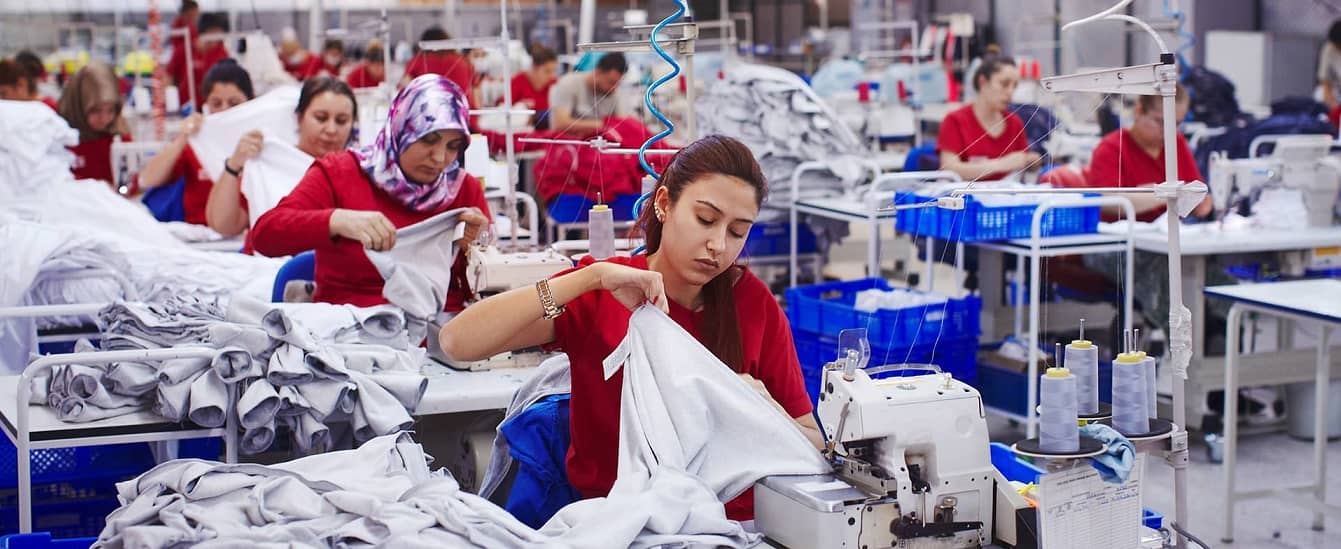
Safe Working Conditions – Our workforce have appropriate ventilation, a good working environment, lighting, safety equipment, emergency exits and designated breaks.

No Child Labour – Silk Routes have a zero tolerance on child labour, this is verified through regular audits.

Reasonable Working Hours – Silk Routes workforce have a maximum 60 hours work week with mandatory rest days and breaks.

Freedom of Association – Silk Routes workforce can organize and communicate grievances with management, unions are encouraged.

Environmental Responsibility – Silk Routes factories are responsible for wastewater treatment. They are energy efficient and use sustainable materials.

Supply Chain Transparency – Silk Routes’ clients are fully aware of the entire process of manufacture.

Regular Audits – Silk Routes’ factories are subject to independent third-party verification.

These are the minimum standards that we require from every factory in our network. 


How can Silk Routes ensure Standards?

Silk Routes has committed wholeheartedly to enforcing strict standards and it doesn’t just stop at minimum compliance.

Our verification process includes:

Factory Vetting Before Partnership – Silk Routes personally visit and audit every factory before adding them to our network. There are no exceptions.

Annual Re-Certification – Silk Routes’ factories are re-audited annually by independent third parties. Compliance is ongoing and not limited to one-time only.

Surprise Inspections – In addition to scheduled audits Silk Routes conduct unannounced visits to verify real working conditions.

Worker interviews – Silk Routes speak directly with workers without factory management present to verify working conditions, wages, and treatment.

Document Verification – Silk Routes review payroll records, time cards, training logs and safety inspection reports.

Corrective Action Plans – If issues are found by Silk Routes, factories have 30-60 days to correct them or lose our partnership.


Do Silk Routes have any Certifications?

Not all certifications are created equal. Some are rigorous and meaningful. Others are essentially not worth the paper they are written on.

Silk Routes aim to match our clients with the perfect factory to meet their individual needs.

Here are the certifications our factory network holds—and what they actually verify:


WRAP (Worldwide Responsible Accredited Production)

What it covers: Workers rights, workplace safety, environmental compliance

Audit frequency: Annual, unannounced follow-ups

Our network: 40% of our factories are WRAP certified

Best for: General ethical compliance across social and environmental factors


Fair Trade Certified

What it covers: Fair wages, safe conditions, community development premiums

Audit frequency: Annual, with quarterly monitoring

Our network: 15% of factories hold Fair Trade certification

Best for: Brands emphasizing worker empowerment and fair compensation


GOTS (Global Organic Textile Standard)

What it covers: Organic fibre content, chemical restrictions, social criteria

Audit frequency: Annual, covers entire supply chain

Our network: 25% of factories are GOTS certified

Best for: Organic cotton and natural fibre products


OEKO-TEX Standard 100

What it covers: Harmful substances testing in finished products

Audit frequency: Annual product testing

Our network: 70% of factories use OEKO-TEX certified materials

Best for: Products safe for human skin, baby clothing


SA8000 (Social Accountability)

What it covers: Child labour, forced labour, health/safety, working hours, wages

Audit frequency: Semi-annual by accredited auditors

Our network: 20% of factories are SA8000 certified

Best for: Rigorous social compliance verification


LEED (Green Building Certification)

What it covers: Energy efficiency, water usage, sustainable building design

Audit frequency: One-time certification with periodic reviews

Our network: 10% of factories operate in LEED-certified facilities

Best for: Brands prioritizing environmental impact reduction


B Corp Certification (for the entire company)

What it covers: Social and environmental performance, accountability, transparency

Audit frequency: Re-certification every 3 years

Our status: Working toward B Corp certification for Silk Routes

Best for: Holistic business ethics beyond just manufacturing


How does Silk Routes match the Client to a Factory?

Silk Routes uses Custom Certification Matching to find the perfect factory for each client.

The Silk Routes network is expansive with an array of factories that have their own speciality standards. We match our clients requiring specific certifications with the factories that offer those services. We are confident that we will find a factory that meets your needs.


Do Silk Routes have an Environmental Responsibility?

 At Silk Routes we are committed to environmental protection and preservation. A number of processes enable Silk Routes to monitor and prevent environmental issues.

Wastewater Treatment – All partner factories must have functioning wastewater treatment systems. Dye effluent is treated before discharge.

Energy efficiency – Prioritizing factories using renewable energy, LED lighting, and energy-efficient equipment.

Chemical Management – ZDHC (Zero Discharge of Hazardous Chemicals) All guidelines are followed. Restricted substance lists (RSL) enforced.

Waste Reduction – Fabric cutting optimization to minimize waste. Scrap fabric recycling programs.

Sustainable Materials – Access to organic cotton, recycled polyester, tencel, hemp, and other low-impact materials.

Carbon Footprint Tracking – We can provide carbon impact reports for your production runs.


Do Silk Routes exploit their Factory Workers?

 Absolutely not! Silk Routes is invested its workforce. It stays ahead of the competition by protecting its labourers and investing in safeguards. A few examples of how Silk Routes treats its workforce.

 Paying a Living Wage – Workers must be paid a living wage suitable to the region. 

Structural Integrity – Factories must pass engineering inspections. Safety comes first. 

Fire Safety – Factories must have multiple exits, fire suppression systems, regular fire drills and evacuation routes. 

Electrical Safety – Factories must have correct wiring, no overloaded circuits, and regular electrical inspections. 

Machine Safety – There must be guards on cutting equipment, appropriate training and maintenance logs. 

Chemical Safety – There must be adequate ventilation in dyeing/printing areas, protective equipment and chemical handling training. 

First aid – There must be a trained first aid staff member on-site at all times. 

Lighting and ventilation – There must be natural light where possible. Correct air circulation and temperature should be maintained. 

No Child Labour (Zero Tolerance Policy) – Absolutely no children working in any of our facilities. All Child protection laws must be followed. 

Reasonable Working Hours – All labourers are given adequate breaks and work a maximum of 60 hours per week.


Does Ethical Manufacturing Cost more?  

Yes. Ethical manufacturing costs approximately 10-25% more than low cost options. This is due to the extra cost incurred in production and certifications.


Is Ethical Manufacturing worth the Additional Cost?  

Absolutely. Ethical manufacturing will open up new doors for your brand.

Lower risk – Fewer quality issues, delays and scandals. 

Higher margins – Customers pay a premium for ethically produced products.

Customer Retention – Ethically minded customers are loyal customers. 

Marketing Advantage – The ethics become your story. 

Future-proofing – Regulations will require this anyway at some point.


Will I have to Charge more for Ethically Manufactured goods?  

No, not necessarily. But usually ethically manufactured items can incur 10-25% higher production costs. However, customers increasingly pay premium prices for ethical products. Positioning your goods as premium quality and high value alignment rather than “more expensive” is the alternative. Many ethical brands achieve higher profit margins because customers will willingly pay more, offsetting the production cost increase.


Can Small Brands (under 500 pieces per order) access Ethical Manufacturing at Silk Routes? 

Yes! While large-scale certified factories often have high MOQs (1,000+ pieces), we have smaller certified facilities willing to work with 200–300-piece orders. Fair Trade and GOTS certification exist at various factory sizes. You’ll pay slightly higher per-unit costs at lower volumes, but ethical manufacturing is absolutely accessible to start-ups and small brands.


Are Silk Routes an “Ethical” or “Sustainable” manufacturer? 

Silk Routes can proudly say they are invested in both Ethical and Sustainable practices.

Ethical focuses primarily on workers’ welfare, fair wages, safe conditions, no exploitation etc. Whereas, Sustainable focuses primarily on the environmental impact created, water usage, chemical management, carbon footprint, material sourcing. The best manufacturers should excel at both.


Can I verify claims about Workers’ Wages at Silk Routes?

 As legitimate and ethical manufacturers Silk Routes welcome verification. Options include: reviewing certified payroll records, conducting worker interviews (without management present), hiring independent auditors, or visiting factories yourself. Certifications like Fair Trade and SA8000 specifically verify wage standards through regular third-party audits.


What can I do if Silk Routes isn’t meeting Ethical Standards? 

First, document the issue with evidence. Second, notify the Silk Routes immediately with the specific concerns and required corrective actions. Silk Routes handle this process immediately. If one of our partner factories fails compliance, we immediately stop working with them and help transition your production to a compliant facility.


Are Silk Routes’ Certifications Real or Fake? 

All legitimate certifications have verification systems. GOTS, Fair Trade, WRAP, and others maintain online databases where you can verify certificate numbers. Silk Routes provide certificate copies and verification instructions. Additionally, third-party audits are conducted by accredited auditors. Our clients can verify the auditor’s credentials too. Always ask for certificate numbers and verify independently. 


The Future of Ethical Manufacturing at Silk Routes 

At Silk Routes we never shy away from embracing new innovations and trends. Here is a peek at what’s coming up next at.

Blockchain Traceability – Several factories in our network are implementing blockchain tracking for complete supply chain transparency.

Living Wage Initiatives – Participating in industry-wide living wage coalitions to raise standards across manufacturing.

Circular Fashion Programmes – Partnering with recycling facilities to create closed-loop production.

Renewable Energy Transition – Prioritising factories investing in solar and other renewable energy sources.

Water Recycling Systems: Supporting factories to implement water recycling to reduce consumption by 90%+.

B Corp Certification: Working toward B Corp certification for Silk Routes as a company.


Your Guide to Getting Started with Ethical Manufacturing 

Phase 1: Define Your Values (Week 1)

What matters most to your brand? For example: Workers’ welfare, the Environment, Transparency and communication.

What certifications align with your values?

What’s your budget reality?

Phase 2: Factory Selection (Week 2-3)

We present factory options matching your criteria.

Review certifications and audit reports.

Optional: Schedule factory visits.

Phase 3: Supply Chain Mapping (Week 4)

Identify material sources.

Verify tier 2 and 3 suppliers.

Establish traceability protocols.

Phase 4: Production (Week 5-12)

Manufacturing begins with agreed standards.

Regular updates and compliance is monitored.

Real-time transparency provided throughout the process.

 Phase 5: Ongoing Partnership (Continuous)

Annual audits and re-certification checked.

Impact reporting enabled.

Continuous improvement initiatives implemented.


Pro Tips on how to Build an Ethical Fashion Brand 

Start with one certified style!

You don’t need to convert your entire line overnight. Launch one GOTS-certified or Fair Trade product. Test customer response and scale from there.

 Tell your story authentically!

Don’t just say “ethically made” but explain specifically where and how it is made. “Made in a Fair Trade certified factory where workers earn living wages”.

 Visit your factory!

Nothing builds confidence like seeing working conditions yourself. We’ll arrange everything. Your customers will trust your brand more when you can say “I’ve been there”.

 Budget for certifications!

If you want to make organic claims or use certification logos, you must budget for certification fees. These can typically be around £500-£2,000 annually depending on certification.

 Plan longer timelines!

Ethical factories rarely cut corners on production time. Add 1-2 weeks extra to standard timelines for realistic planning.

 Invest in storytelling!

Your ethical practices are marketing gold. Invest in photography, video content and transparent communication about your supply chain.

Contact Us

Please Contact Us


We turn your clothing
idea into reality.